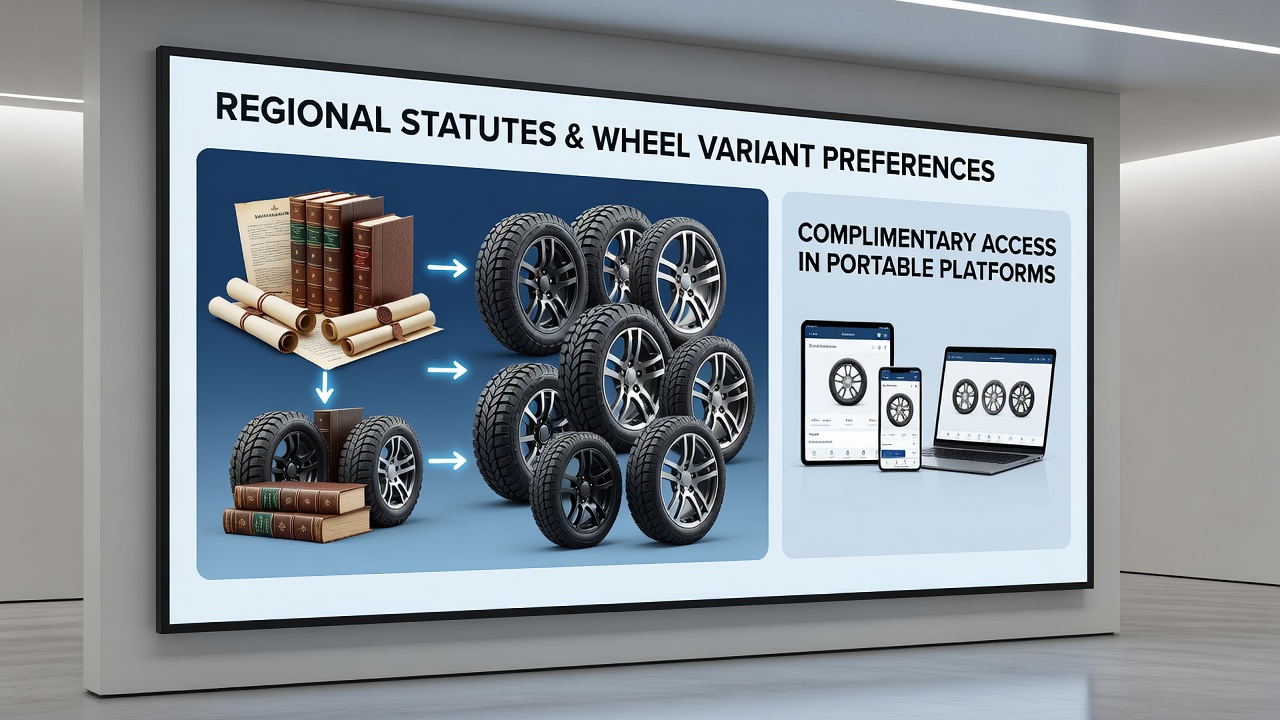
Regional Statutes and Their Role in Shaping Wheel Variant Preferences Alongside Complimentary Access in Portable Platforms
Regional statutes establish distinct frameworks that guide how operators configure wheel variants and structure complimentary access features on portable platforms, creating measurable differences in player options across borders. European Union member states apply varying rules on random number generator certification and live dealer protocols, while North American jurisdictions focus on device-specific licensing that affects mobile deployment timelines.
Jurisdictional Differences in Wheel Configuration Rules
Statutes in different regions dictate the prevalence of European single-zero wheels versus American double-zero models through technical standards and approval processes. Data from regulatory filings shows that operators adjust variant availability based on local testing requirements, with some areas mandating additional fairness audits for certain wheel types before mobile release. Canadian provincial regulators, for instance, require documented compliance with house edge disclosures that favor single-zero formats in approved applications.
Australian state legislation imposes separate verification steps for wheel integrity on portable devices, leading operators to prioritize variants that meet streamlined certification pathways. Observers note that these procedural differences result in distinct distribution patterns, where certain wheel models appear more frequently in one market than another because of approval speed and ongoing monitoring obligations.
Statutory Influence on Complimentary Access Mechanisms
Rules governing bonus eligibility and free play credits intersect directly with mobile platform capabilities, as statutes often cap promotional values or require specific wagering conditions tied to device type. In several jurisdictions, regulators mandate that complimentary offers display clear terms within the application interface, which influences how operators design access to free rounds or variant trials. Research from industry reports indicates that these requirements produce standardized presentation formats across compliant platforms while still allowing regional customization in credit allocation.

European data protection statutes add layers of consent verification that affect how users receive access codes or trial credits on portable devices. Meanwhile, certain U.S. state frameworks tie promotional mechanics to age verification processes conducted through mobile operating systems, creating workflow differences that operators must accommodate during rollout. Figures from compliance databases reveal that markets with stricter disclosure rules experience slower introduction of new complimentary features compared to regions with more flexible notification standards.
Mobile Platform Adaptations Under Regulatory Pressure
Portable platform developers respond to statutory mandates by embedding configurable modules that handle variant selection and access controls according to user location. These adaptations ensure that wheel preferences align with local statutes while complimentary offers meet eligibility criteria without manual intervention. Technical documentation from platform providers demonstrates that geolocation services now integrate directly with regulatory databases to enforce these parameters in real time.
Updates scheduled for October 2026 in multiple jurisdictions will introduce enhanced reporting obligations for mobile operators, requiring detailed logs of variant usage alongside complimentary credit distribution. Such changes build on existing frameworks and will likely standardize data collection methods across borders, though implementation timelines vary by region. Industry associations tracking these developments report that preparatory testing has already begun in select markets to meet the upcoming deadlines.
Comparative Examples from Key Regions
One regulatory approach in North American states links wheel variant approval to mobile security certifications, resulting in preferential deployment of certain models that satisfy both technical and promotional statutes simultaneously. In contrast, some Asian-Pacific frameworks emphasize consumer protection disclosures that shape how free access periods are offered, often restricting trial lengths based on device category. These examples illustrate how statutes create localized ecosystems rather than uniform global standards.
Academic studies on regulatory impacts, including those referenced through sources such as the National Conference of State Legislatures, document correlations between statute stringency and the diversity of available wheel options on portable platforms. Similar patterns appear in analyses from EU oversight bodies, where cross-border comparisons highlight how differing bonus rules affect operator strategies without altering core game mechanics.
Conclusion
Regional statutes continue to determine the configuration of wheel variants and the parameters of complimentary access within portable platforms through layered compliance requirements and technical specifications. As new provisions approach implementation in October 2026, operators and developers maintain ongoing adjustments to align offerings with evolving legal landscapes across multiple jurisdictions. These frameworks produce distinct market characteristics that reflect the specific priorities of each regulatory environment.