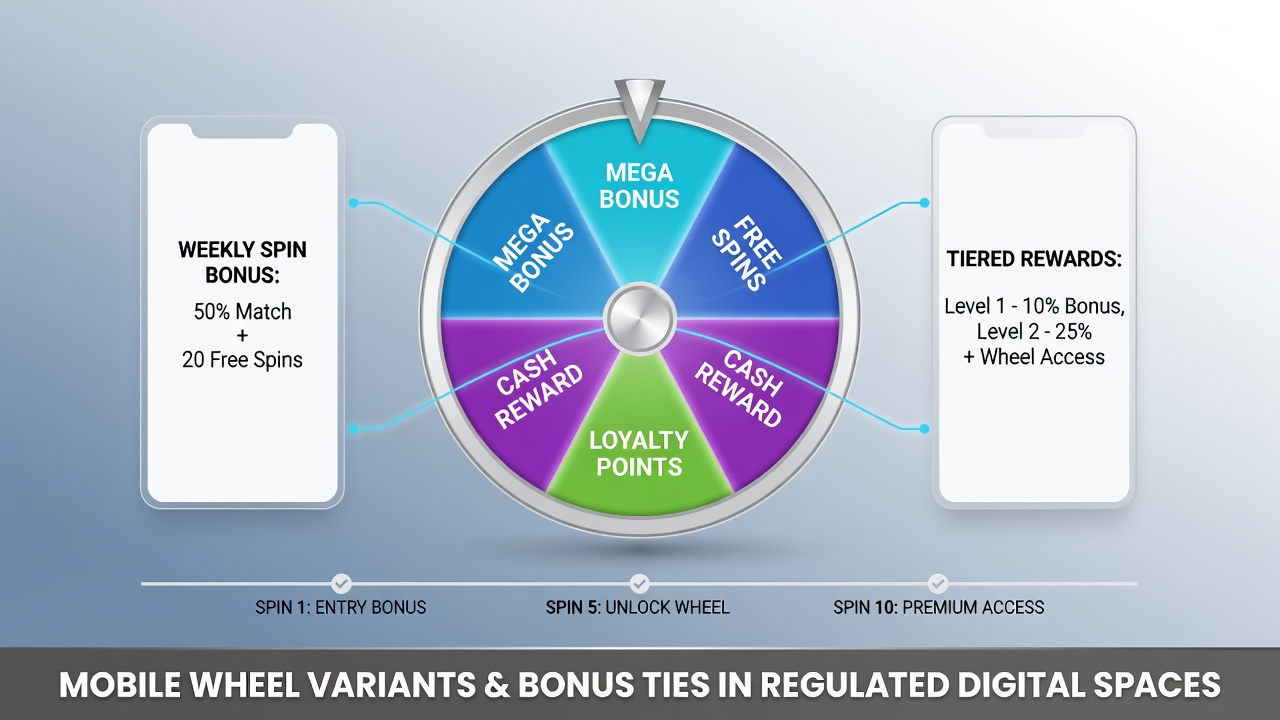
Mobile Wheel Variants and Their Ties to Bonus Structures in Regulated Digital Spaces
Regulated digital gaming platforms have expanded their offerings of wheel-based games to mobile devices over the past decade, and data from multiple jurisdictions shows that these variants connect directly to bonus structures through specific eligibility rules and device-based tracking systems. Observers note that American roulette, European roulette, and hybrid formats such as Lightning Roulette appear in mobile applications where operators apply bonus terms that differ from desktop versions because regulators require clear separation of play sessions by device type.
Variant Categories and Mobile Deployment Patterns
Wheel variants deployed on mobile include single-zero European formats, double-zero American versions, and multi-ball or multiplier-enhanced editions, while regulatory filings indicate that operators must disclose these distinctions when linking promotional credits to specific game selections. Research from industry monitoring groups reveals that mobile applications often prioritize European wheel variants because lower house edges align with bonus wagering calculations required by licensing authorities in several regions. Players access these variants through native apps or browser-based interfaces, and data indicates that session lengths on mobile tend to influence how operators structure time-limited bonus offers tied to wheel spins.
Additional variants such as Immersive Roulette and Auto-Wheel formats have entered mobile catalogs since 2023, and licensing reports show that these options receive bonus allocations only when operators verify compliance with device-specific authentication protocols. Figures from regulatory submissions demonstrate that mobile wheel selections affect bonus conversion rates because certain variants trigger higher multiplier contributions toward playthrough requirements.
Bonus Mechanics Linked to Mobile Wheel Play
Bonus structures in regulated environments typically connect to mobile wheel variants through deposit match percentages, free spin packages, and cashback percentages that apply only after operators confirm mobile session data. According to records from the Nevada Gaming Control Board, operators must maintain separate ledgers for mobile and desktop bonus activity to prevent cross-device abuse, which means players often encounter distinct wagering multipliers depending on the wheel variant chosen on their phone or tablet. Studies compiled by the Gambling Research Exchange Ontario indicate that bonus eligibility frequently restricts participation in high-volatility mobile wheel games unless operators adjust contribution rates downward to meet provincial fairness standards.

Operators structure reload bonuses and loyalty rewards so that mobile wheel play contributes to tier advancement at rates documented in their approved terms, and reports from the Australian Communications and Media Authority highlight how these contribution percentages must remain consistent across all listed variants to satisfy consumer protection audits. In practice, a player who activates a mobile-exclusive bonus receives credits that apply to European wheel variants at 100 percent contribution but drop to 50 percent for American wheel versions, reflecting risk assessments filed with licensing bodies.
Regulatory Developments and October 2026 Outlook
Multiple jurisdictions continue to refine rules that govern how mobile wheel variants interact with bonus promotions, and observers note that several European member states plan updated guidelines effective October 2026 that will require real-time reporting of mobile bonus redemptions on wheel games. These forthcoming requirements build on existing frameworks that already mandate device verification before bonus funds activate, and industry reports show that operators have begun testing systems to track variant-specific play patterns ahead of the deadline. Data from the European Gaming and Betting Association indicates that cross-border operators adjust bonus structures in anticipation of these changes, particularly for mobile users who switch between variants during a single session.
Canadian provincial regulators have also signaled forthcoming clarifications around bonus mechanics for mobile wheel products by late 2026, with emphasis on ensuring that promotional offers do not favor one wheel variant over another in ways that could disadvantage certain player demographics. Figures released by academic researchers at the University of Sydney's gambling studies unit demonstrate that transparent linkage between mobile variants and bonuses correlates with higher reported compliance rates across surveyed markets.
Implementation Examples Across Markets
One documented case involves a licensed operator in New Jersey that introduced mobile-only bonuses restricted to European wheel variants, and state compliance records show that the structure satisfied regulatory review because contribution rates were published clearly within the application interface. Another example from an Ontario-licensed platform illustrates how free play credits on Lightning Roulette variants were capped at lower maximum win amounts compared with standard European wheel bonuses, a distinction required by provincial rules to balance promotional risk. These implementations demonstrate that regulators examine the precise relationship between each wheel variant and its associated bonus parameters before granting approval.
Conclusion
Regulated digital spaces maintain detailed oversight of mobile wheel variants and their integration with bonus structures through device tracking, contribution percentages, and pre-approved terms that differ by jurisdiction. Information from licensing authorities and research organizations shows that operators must document these connections to remain compliant, particularly as new reporting obligations approach in October 2026. The patterns observed across multiple markets indicate that mobile deployment continues to shape how bonuses attach to specific wheel formats while preserving the separation required by regulatory frameworks.