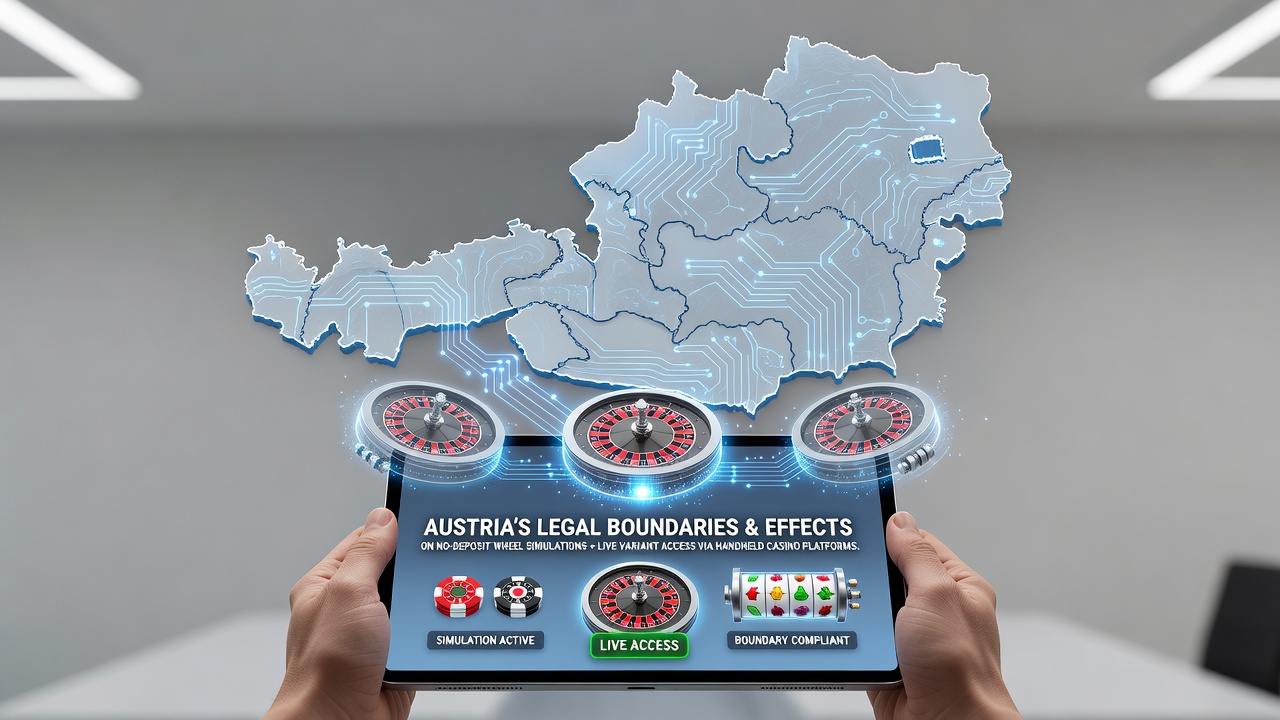
Austria's Legal Boundaries Shaping No-Deposit Wheel Simulations and Mobile Live Casino Access
Austria maintains strict controls over online gambling through the Glücksspielgesetz and related federal statutes, which directly shape how no-deposit wheel simulations operate and how live variants reach players on handheld devices, and these rules continue to evolve with updates scheduled for October 2026 that refine licensing requirements for simulation-based play and mobile streaming services.
Legal frameworks limit free-play options by requiring all gaming activities to route through state-approved operators, so no-deposit wheel simulations must comply with age verification and territorial restrictions that prevent unlicensed platforms from offering unlimited free spins or practice rounds without triggering deposit mandates later in the session.
Regulatory Structures Governing Simulations and Mobile Access
Observers note that the Austrian regulatory environment distinguishes between simulation tools and real-money live dealer games, with the former facing fewer monetary thresholds yet still bound by rules on advertising and user data handling that affect how providers deliver wheel-based practice environments to mobile users across the country.
Data from regulatory filings show that handheld casino platforms must secure specific approvals to stream live variants, and these approvals often hinge on integration with national self-exclusion databases that extend to both paid and simulation-based sessions to maintain consistent player protections.
Impacts on No-Deposit Features and Variant Availability
Research indicates that no-deposit wheel simulations encounter caps on session length and bonus conversion rates under current statutes, which forces developers to embed time-limited access or regional locks that prevent Austrian IP addresses from entering certain free modes without first establishing verified accounts through licensed channels.
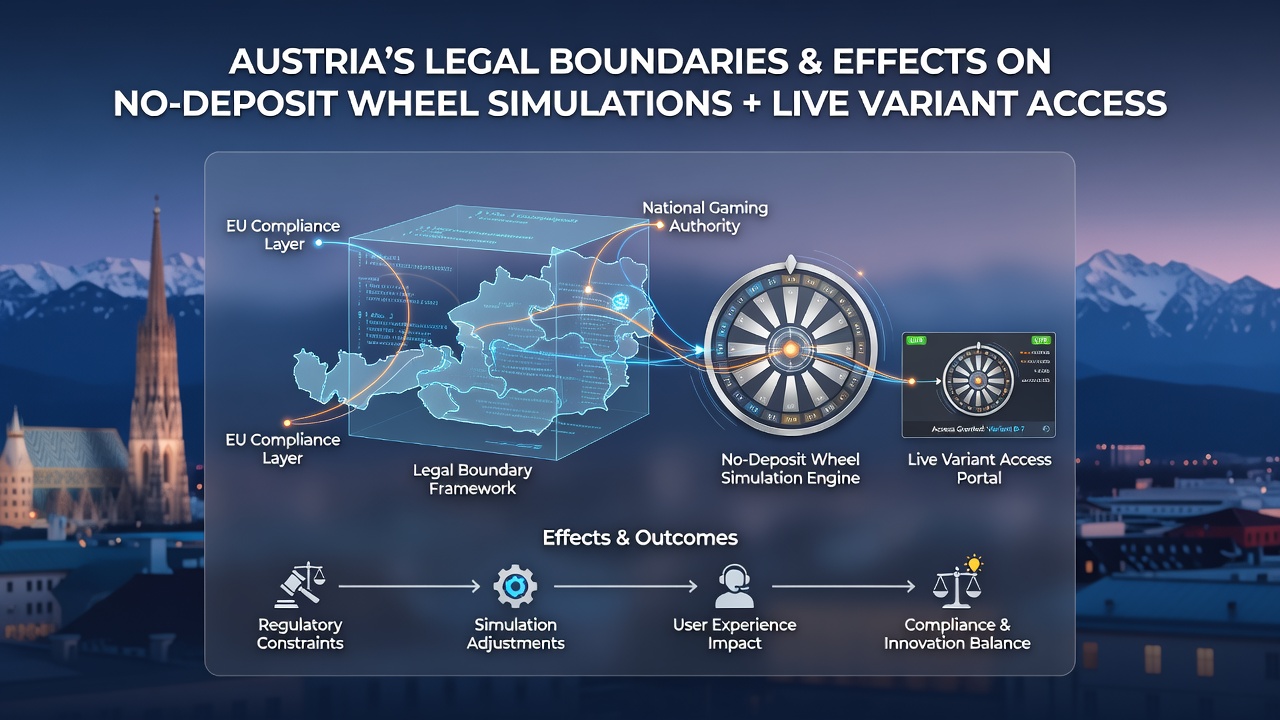
Those who've examined enforcement actions find that live variant access via handheld platforms often requires geofencing technology to block unauthorized streams, while simulation tools receive slightly more flexibility provided they avoid any direct link to real-money wagers or promotional mechanics that could bypass statutory deposit rules.
According to reports issued by the Canadian Centre on Substance Use and Addictions, similar territorial limits in other jurisdictions have reduced unauthorized simulation usage by measurable percentages, and Austrian authorities apply comparable monitoring techniques that track app store distributions and browser-based entries for compliance.
Effects on Platform Operations and Player Pathways
Platform operators adjust their mobile offerings to align with licensing cycles, which means live dealer wheel variants reach Austrian users only after integration with approved payment gateways and real-time reporting systems that flag any attempt to extend no-deposit access beyond permitted boundaries.
Studies from the Australian Attorney-General's Department highlight how cross-border regulatory alignment influences local rules, and Austria's approach mirrors this by tightening controls on promotional simulations that could otherwise draw players toward unlicensed live streams on portable devices.
October 2026 marks the rollout of revised technical standards that mandate enhanced encryption for all mobile live feeds and additional verification layers for simulation accounts, changes that build on existing statutes without introducing entirely new categories of restricted content.
Conclusion
Austria's legal boundaries continue to define the scope of no-deposit wheel simulations alongside live variant delivery on handheld platforms through layered licensing, technical mandates, and enforcement mechanisms that prioritize licensed channels while restricting unauthorized access points. These frameworks produce measurable effects on feature availability and platform design that remain consistent with broader European patterns of gambling oversight.